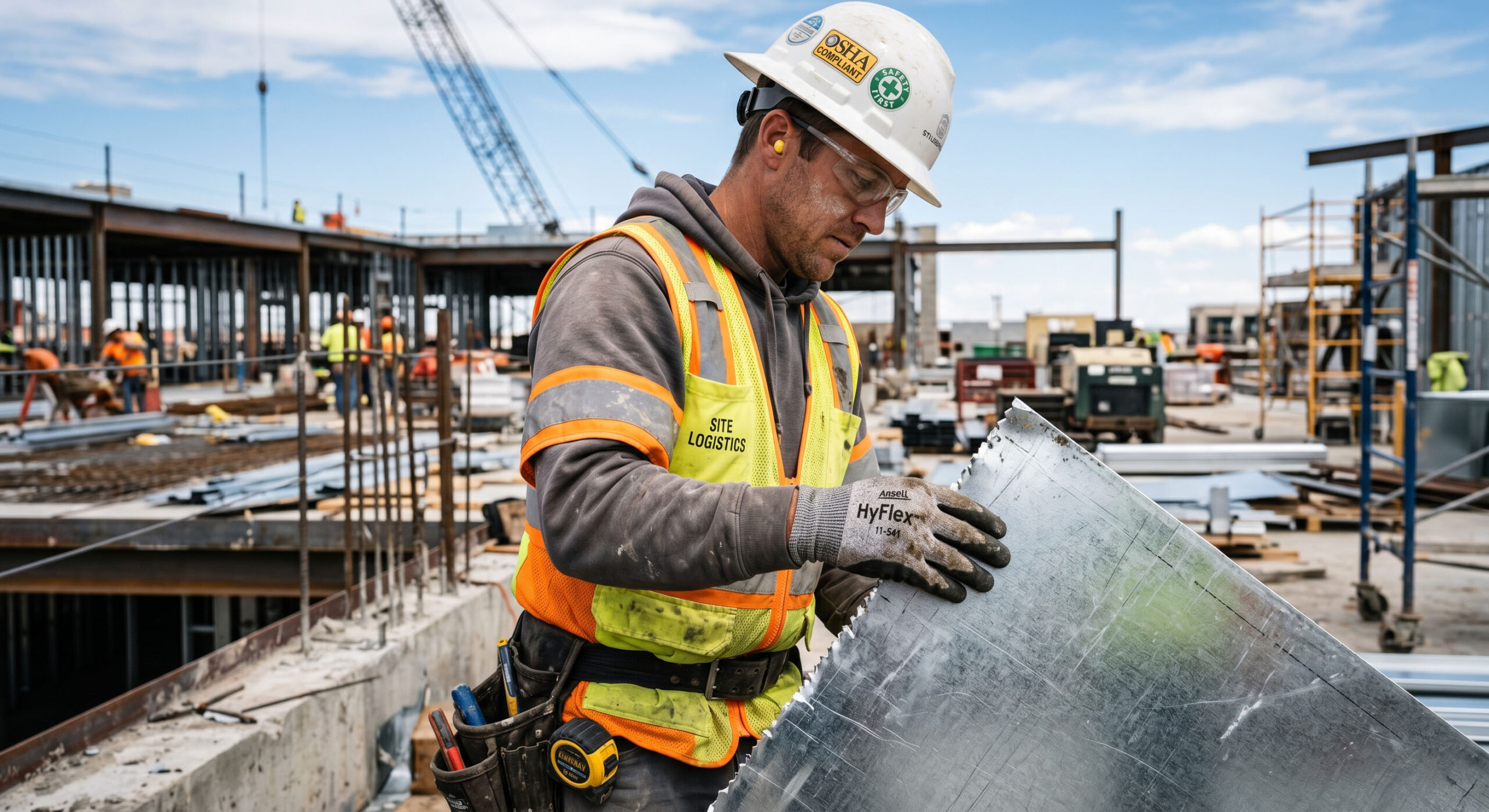
Hand injuries are one of the most common issues on construction sites, yet they are also one of the most preventable. From sharp materials and heavy equipment to chemicals and extreme temperatures, your hands face constant exposure to hazards. Choosing the right gloves is a simple but critical step in reducing injuries and maintaining a safe, productive jobsite.
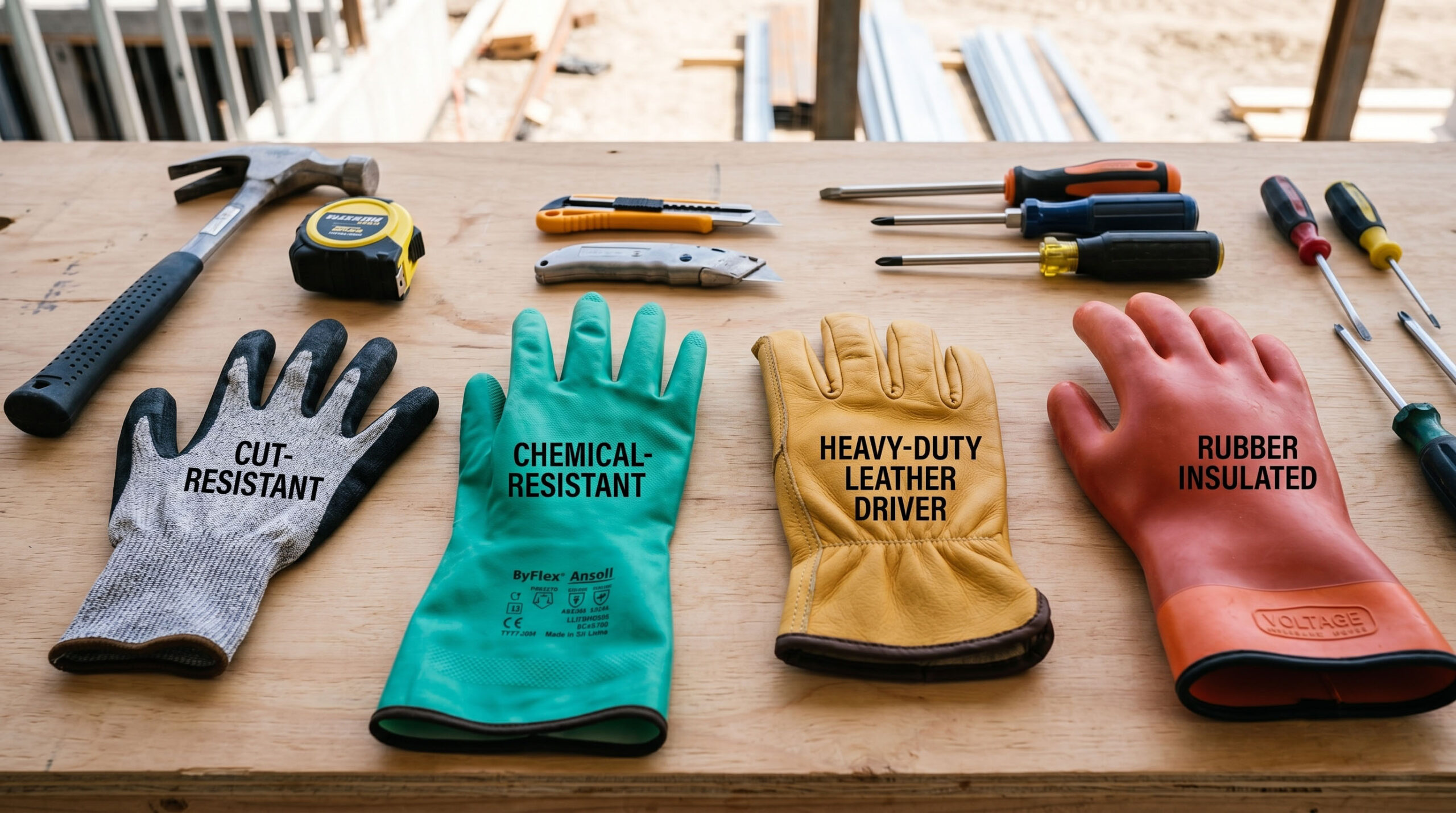
Not all gloves provide the same level of protection. Cut-resistant gloves are essential when handling sharp materials, while chemical-resistant gloves protect against hazardous liquids. Leather gloves may offer durability for general tasks, but they may not protect against specific risks. Understanding the hazard and matching it with the correct glove type is key to effective hand protection.
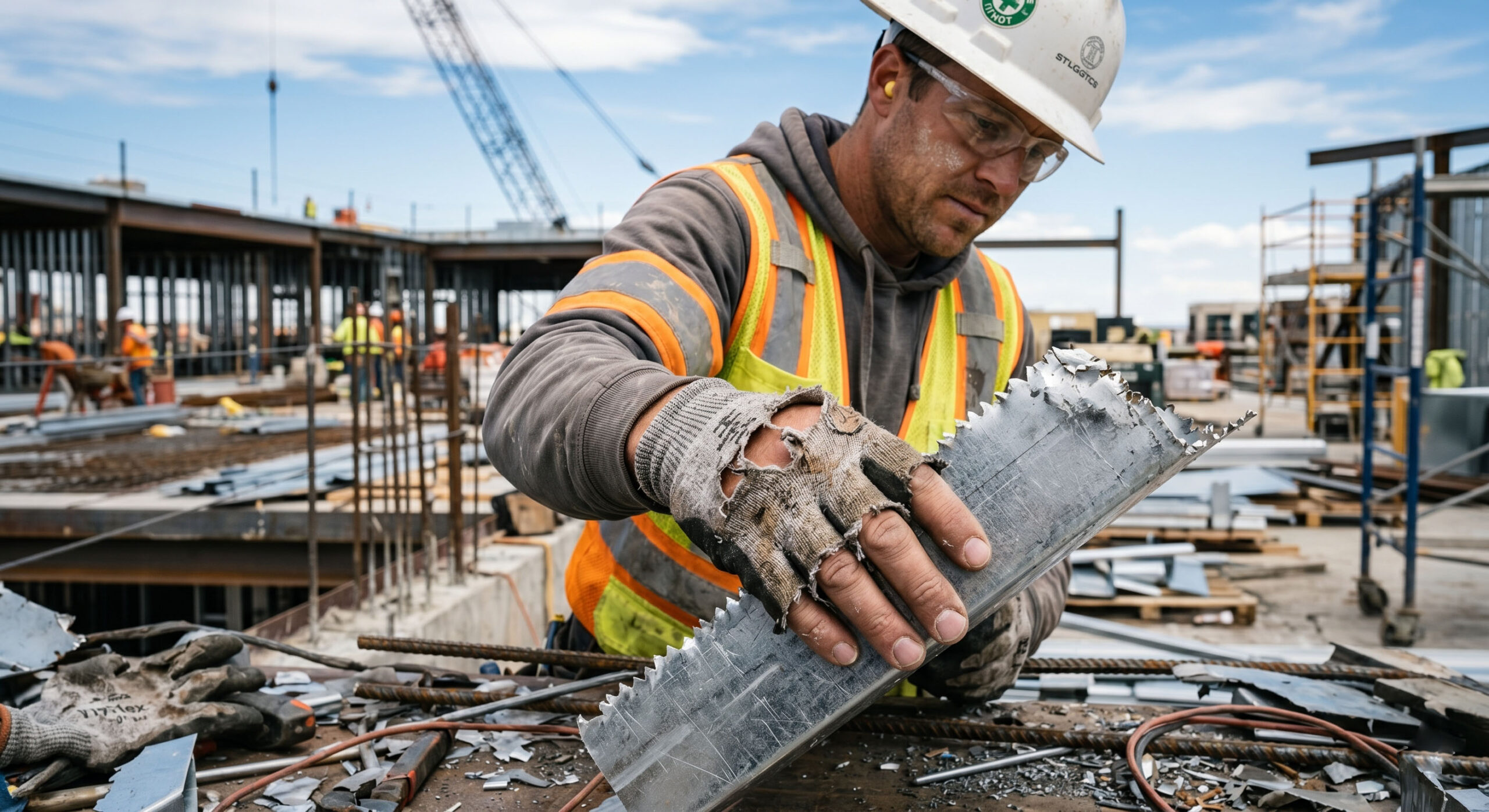
Another common mistake is using damaged or worn-out gloves. Even high-quality gloves lose their effectiveness when torn or contaminated. Workers should inspect gloves before each use, ensure proper fit, and replace them when necessary. A glove that doesn’t fit properly can reduce dexterity and increase the chance of accidents.
Creating a culture of hand safety starts with awareness and consistency. Supervisors and crew leaders should reinforce proper glove selection during daily construction safety meetings and toolbox talks. By making glove safety a habit, crews can significantly reduce injuries, improve compliance, and keep projects running smoothly.